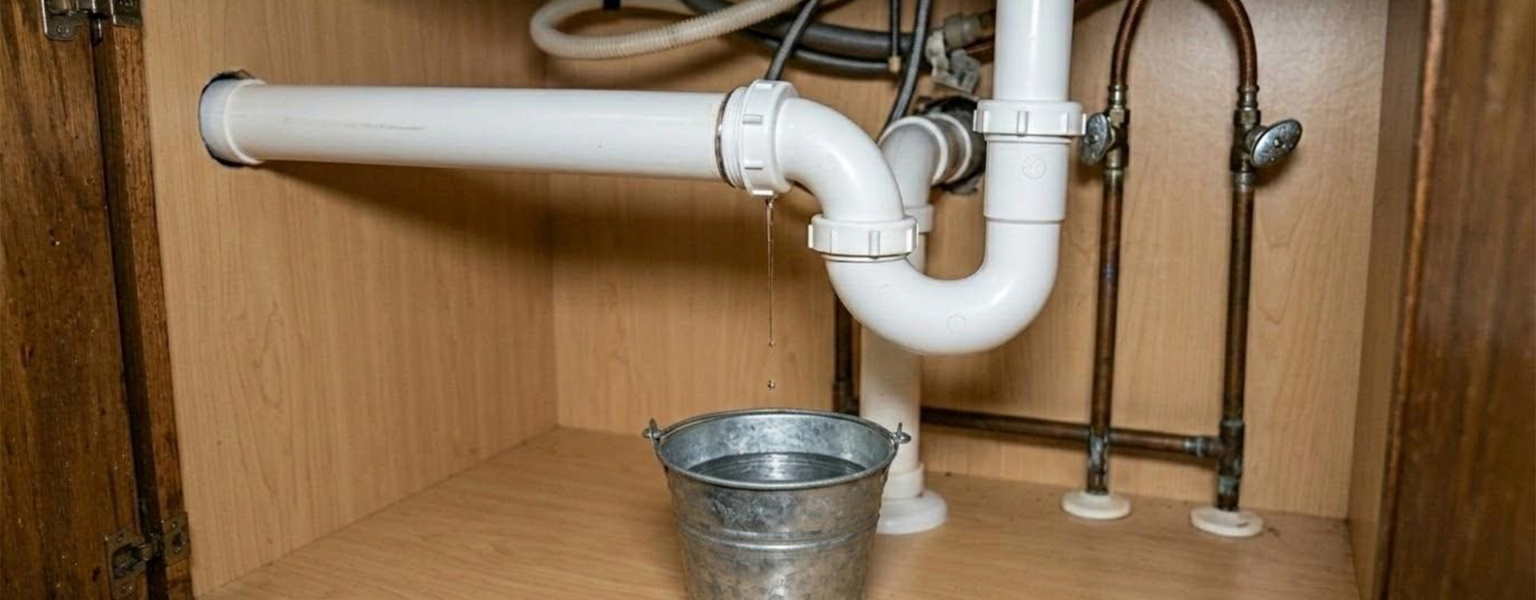
A plumbing emergency vs maintenance issue comes down to risk. If water is escaping, service is lost, contamination is present, or damage is spreading, it is an emergency. If the problem is contained and stable, it usually belongs in maintenance.
A slow leak, weak flush, or noisy pipe can still become serious once water reaches walls, floors, wiring, or cabinetry. The key is knowing when to act now and when to book a standard repair.
A plumbing issue is an emergency when it creates active damage, health risk, or loss of an essential service. Burst pipes, major leaks, sewage back-up, gas smells, and sudden hot water failure all sit in this category when they affect the home right now.
The question is not whether the issue is annoying. The question is whether it is unsafe, getting worse, or likely to cause more damage if you wait.
Common emergency signs include:
If the problem is spreading, isolate it and call for help. This is where waiting can turn a plumbing repair into a damage claim.
A plumbing issue can usually wait when it is contained, slow-moving, and not threatening the safety of the home. Dripping taps, minor toilet faults, slow drains that still clear, and low pressure in one fixture usually fit maintenance.
These problems do not need panic, but they still need attention. They waste water, reduce comfort, and often point to parts wearing out.
Examples that usually fit maintenance include:
The test is simple. If the issue is annoying but stable, it is maintenance. If it is causing damage, contamination, or loss of service, it needs faster action.
Use this quick check before deciding whether to call an emergency plumber or book maintenance.
| Plumbing Issue | Emergency or Maintenance? | Why |
| Burst pipe | Emergency | Water loss is fast and damage spreads quickly. |
| Overflowing toilet | Emergency | Wastewater can contaminate floors and nearby rooms. |
| Sewer smell from drains | Emergency | Can point to a sanitary or venting issue. |
| No hot water after sudden failure | Emergency | An essential service has stopped. |
| Leaking tap | Maintenance | Usually contained unless it is flooding cabinetry or walls. |
| Slow drain | Maintenance | Often a developing blockage that can be booked in. |
| Low pressure in one fixture | Maintenance | Often localised to a fitting, aerator, or valve. |
| Water stains with active moisture | Emergency | Hidden leaks can damage walls, ceilings, and insulation. |
The deciding factor is not the fixture itself. It is the impact. A blocked toilet that overflows is an emergency. A toilet that flushes poorly but stays contained is usually a booked repair.
On the Gold Coast, this is especially relevant in homes with ageing flexi hoses, holiday homes that sit empty, or wet areas hidden behind cabinetry. A small leak can stay unnoticed until it has already caused damage.
If the issue is urgent, act quickly to reduce damage and keep the home safer.
If the issue involves sewage, backflow, or contaminated water, keep people and pets away from the area.
Call Richo’s Plumbing if the issue is actively leaking, flooding, affecting hot water, creating sewage smells, or getting worse quickly. At that point, the emergency vs maintenance decision has already been made.
If the problem is contained and stable, book a repair through our maintenance plumbing service instead. If you are unsure, it is still better to ask than to wait and risk more damage.
For urgent help, contact Richo’s Plumbing and explain what you are seeing. If the problem involves a burst line or major leak, our burst pipes service is the right starting point.
A fast call now can keep a small plumbing issue from becoming a major repair later.
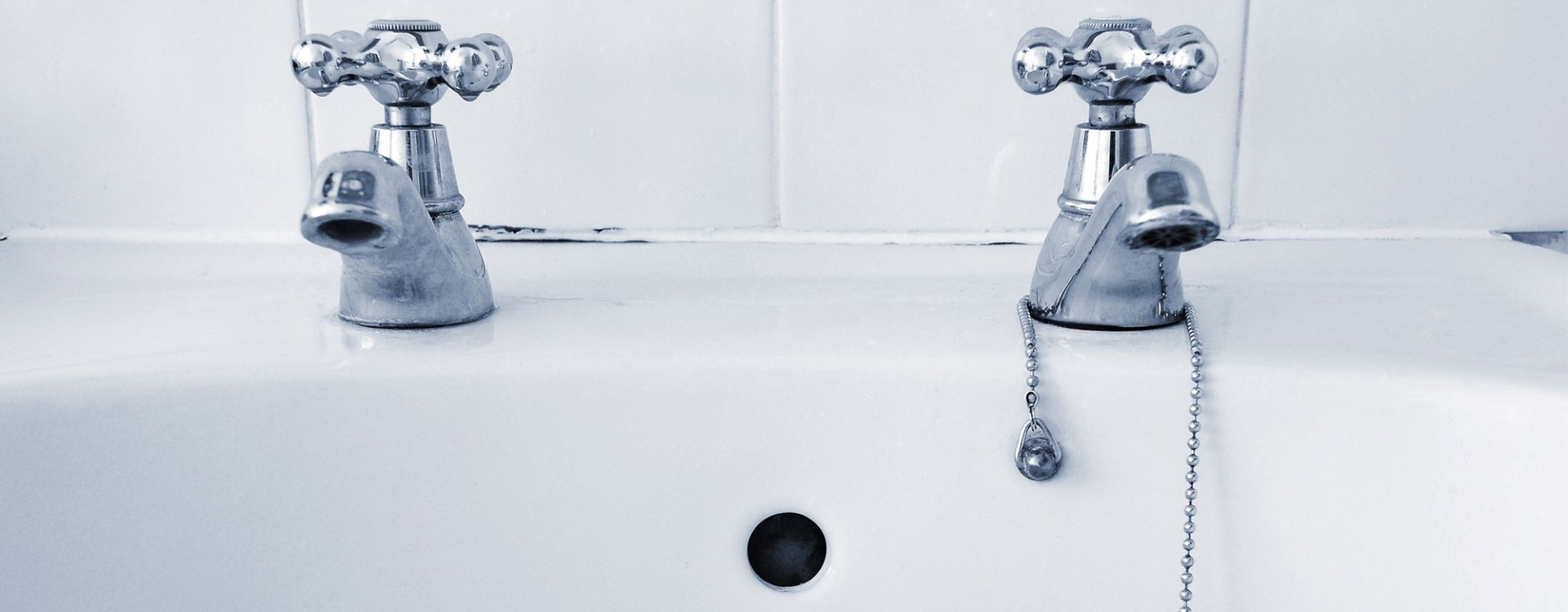
A tap that keeps leaking after it is turned off usually has a failed washer, worn O-ring, faulty cartridge, damaged tap seat, or loose internal part. The best way to stop the leak depends on where the water is coming from and what type of tap you have.
A small drip can seem harmless at first. Over time, it can waste water, stain sinks, damage cabinetry, and point to a bigger issue inside the tap. The good news is that the leak location often gives you a clear clue about what has gone wrong.
The leak location helps identify whether the issue sits inside the tap, around the tap body, or beneath the sink.
| Where the tap leaks | Likely cause | What it usually means |
| From the spout | Worn washer, faulty cartridge, damaged tap seat | The tap is not sealing properly inside |
| Around the handle | Worn O-ring, spindle issue, loose internal part | Water is escaping around the tap mechanism |
| Around the base | Failed seal, loose fitting, worn O-ring | The tap body or connection may need repair |
| Under the sink | Flexi hose, isolation valve, loose nut, pipe connection | The issue may not be the tap itself |
| From the wall | Failed fitting or pipe issue | This needs prompt plumbing attention |
A tap dripping from the spout is different from a tap leaking under the sink. A spout drip usually comes from inside the tap. Water under the sink can come from a hose, valve, or pipe connection. That difference matters because each issue needs a different fix.
A tap keeps leaking after it is turned off when one of the internal parts no longer seals the water flow properly.
The most common causes include:
Worn washer: Traditional taps often use a rubber washer to seal water flow. When the washer wears down, water can pass through even when the tap is closed.
Damaged O-ring: An O-ring helps seal parts of the tap body. When it wears out, water can leak around the handle, spindle, or base.
Faulty cartridge: Mixer taps often use cartridges instead of standard washers. A worn cartridge can cause dripping from the spout, poor water control, or uneven temperature adjustment.
Damaged tap seat: The tap seat is the surface the washer presses against. If it is pitted, corroded, or uneven, a new washer may still fail to seal properly.
Loose internal parts: A worn spindle, loose nut, or damaged internal fitting can stop the tap from closing cleanly.
High water pressure: High water pressure can make weak seals leak faster. It can also reveal problems that were already starting inside the tap.
To stop a leaking tap safely, turn off the water supply, release pressure from the tap, check where the leak is coming from, and avoid forcing the tap closed.
Start with these basic steps:
Avoid tightening the tap harder to stop the drip. This often makes the problem worse.
The failed part depends on the tap type and the leak location.
| Part | Common tap type | Common symptom |
| Washer | Traditional taps | Dripping from the spout |
| O-ring | Traditional and mixer taps | Leaking around the handle or base |
| Cartridge | Mixer taps | Dripping, poor control, stiff handle |
| Tap seat | Traditional taps | Leak continues after washer replacement |
| Flexi hose | Sink taps | Water under the sink |
| Isolation valve | Sink and basin taps | Leak near the shut-off valve |
This is why a leaking tap is not always a simple washer issue. Some taps need the right part replaced. Others need the seat repaired or the whole fixture assessed.
Replacing the washer does not stop every leaking tap because the washer needs a smooth, undamaged tap seat to seal properly.
If the tap seat is rough, corroded, or uneven, water can still pass through. The new washer may also wear down quickly because it is pressing against a damaged surface.
A tap can also keep leaking if:
This is common in older homes, heavily used bathrooms, kitchens, laundries, and outdoor taps.
Tightening a leaking tap harder can damage the washer, spindle, tap seat, or cartridge without fixing the leak.
A leaking tap needs a proper seal. Extra force does not create a better repair. It can crush the washer, wear the spindle, make the handle harder to turn, or damage the tap seat.
If the tap only stops dripping when you turn it very tightly, the internal parts are likely worn. That is a sign the tap needs repair, not more pressure from the handle.
Homeowners can check the leak location, turn off the water, and reduce immediate water damage, but plumbing repairs often require a licensed plumber.
It is safe to do simple checks such as:
It is better to call a plumber when the tap needs parts replaced, the leak is under the sink, the isolation valve does not work, or the tap still leaks after a basic fix.
A small leak can become costly when it is left too long. It can also cause hidden water damage behind cabinetry, under vanities, or inside walls.
Call a plumber when the tap keeps leaking after basic checks, the leak comes from under the sink or wall, or the tap needs parts replaced or professionally repaired.
You should arrange plumbing help if:
A plumber can identify the cause, replace the right parts, check nearby fittings, and make sure the repair lasts.
Richo’s Plumbing repairs leaking taps for Gold Coast homeowners, including dripping taps, leaking mixer taps, worn tap parts, and under-sink leaks.
We keep the process simple. You get clear advice, friendly service, and quality workmanship from a local plumber who turns up and gets the job done properly.
If your tap is still leaking after you turn it off, get in touch with Richo’s Plumbing today. We offer free quotes, $0 call-out fees, and 24/7 emergency plumbing support for urgent leaks.
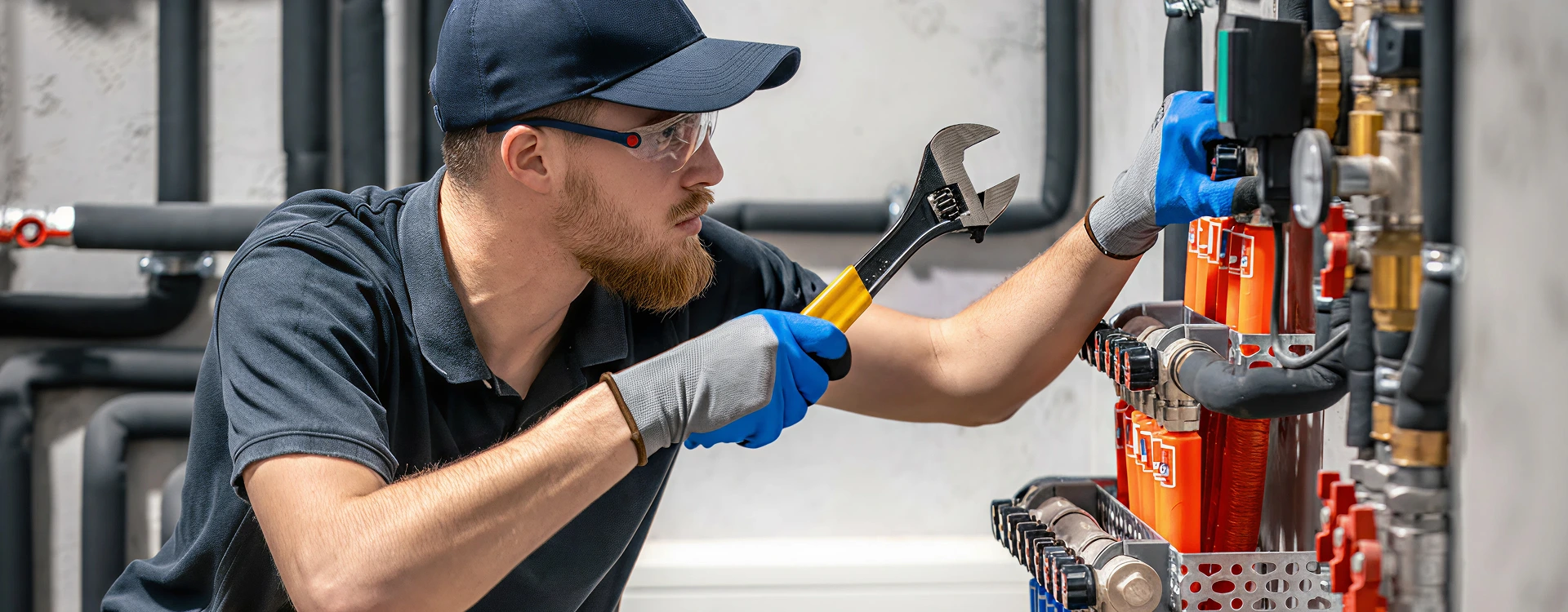
Hot water stops working when a system has no power, a faulty component, a leak, or has reached the end of its lifespan. Most issues relate to heating elements, thermostats, or system failures that require repair or replacement.
Hot water systems rely on electricity to heat water. If there is no power, the system cannot function.
Common causes include:
A quick check of your switchboard can confirm if power is the issue.
The heating element is responsible for heating the water inside the system. If it fails, the system will not produce hot water.
Signs of a faulty element include:
Heating elements wear out over time and often require replacement.
The tempering valve controls the temperature of your hot water system. If it fails, the system may not mix hot/cold water correctly.
Common signs include:
A faulty tempering valve usually requires professional repair or replacement.
Leaks can reduce pressure and prevent the system from operating properly.
Common leak sources include:
Water pooling around the system is a clear sign that a leak needs immediate attention.
Most hot water systems have a lifespan of 8–12 years. After this, performance often declines.
Signs your system may need replacing:
An older system is often more cost-effective to replace than repair.
You can safely check a few basic things before booking a repair:
If the issue is not obvious, a licensed plumber should inspect the system.
You should contact a plumber if:
The system is over 10 years old
Hot water systems involve electrical components and pressurised water, so repairs should always be handled by a professional.
Richo’s Plumbing provides reliable hot water system repairs and replacements for homes across the Gold Coast. Whether the issue is a faulty component or a complete system failure, you can expect practical advice and quality workmanship.
Hot water suddenly turns cold when there is a power issue, a failed heating element, or a faulty tempering valve. Checking the power supply is the first step.
Yes. Many hot water issues, such as faulty tempering valves or heating elements, can be repaired. Older systems may require replacement.
Most hot water systems last between 8 and 12 years, depending on usage and maintenance.
Yes. No hot water can be considered urgent, especially in households where it affects daily use. Our 24/7 emergency plumbing services can resolve the issue quickly.
Get in touch today to organise a free quote or to speak with Jay and his team.
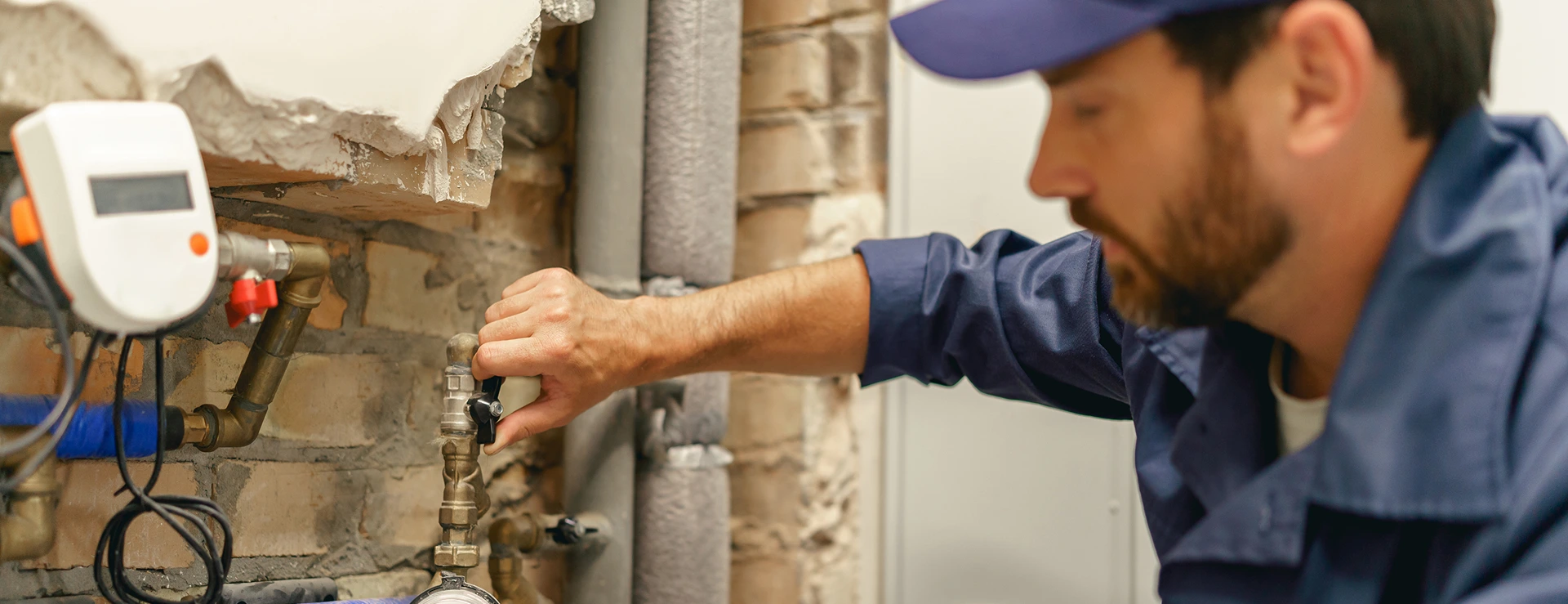
When you need plumbing work done at home, finding a plumber you can rely on makes all the difference. Richo’s Plumbing was built on a simple goal, to provide reliable, high-quality plumbing services to homeowners across the Gold Coast.
Whether it is a small repair or a larger project, the focus is always the same: get the job done properly, communicate clearly, and make the process as straightforward as possible.
Richo’s Plumbing works with homeowners across the Gold Coast, providing a wide range of residential plumbing services. From everyday plumbing maintenance to more involved work such as renovations and new home plumbing, every job is approached with care and attention to detail.
Plumbing issues can be disruptive, especially when they affect essential parts of your home like your kitchen, bathroom, or hot water system. Having a local plumber who can respond quickly and provide practical solutions helps reduce stress and prevent small problems from becoming larger repairs.
Richo’s provides a full range of residential plumbing services, including:
Each service is delivered with a focus on quality workmanship and reliable results.
One of the main reasons homeowners continue to work with Richo’s Plumbing is the focus on doing things properly. From the first conversation through to completing the job, the approach is centred on clear communication, honest advice, and efficient service.
Homeowners want to know what the issue is, what needs to be done, and that the work will last. That is exactly what Richo’s Plumbing aims to deliver on every job.
Plumbing problems do not always happen at convenient times. That is why Richo’s Plumbing offers flexible availability, including 24/7 emergency plumbing services for urgent issues.
Whether it is a burst pipe, a hot water system failure, or another urgent problem, help is available when you need it most.
If you are looking for a reliable plumber on the Gold Coast, Richo’s Plumbing provides dependable service backed by experience and a commitment to quality work.
From general plumbing repairs to larger projects, you can expect a straightforward process and results you can rely on.
Get in touch today to organise a free quote or discuss your plumbing needs.