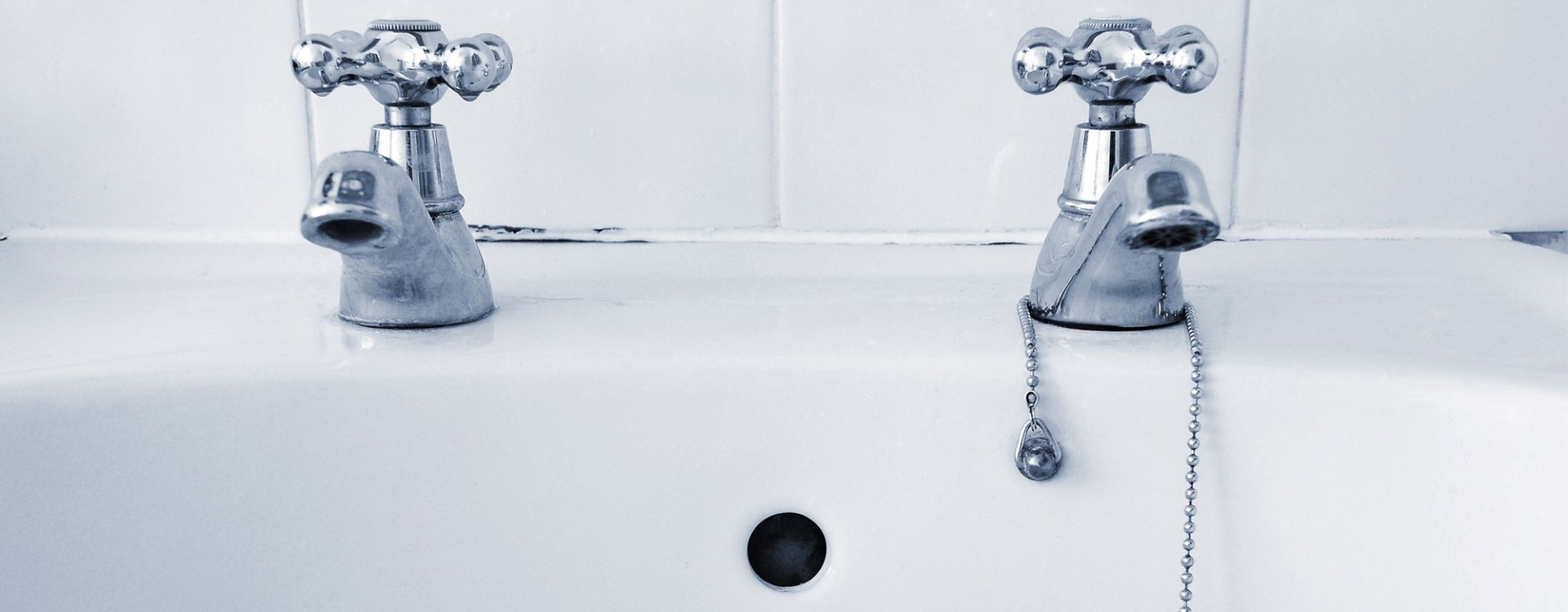
A tap that keeps leaking after it is turned off usually has a failed washer, worn O-ring, faulty cartridge, damaged tap seat, or loose internal part. The best way to stop the leak depends on where the water is coming from and what type of tap you have.
A small drip can seem harmless at first. Over time, it can waste water, stain sinks, damage cabinetry, and point to a bigger issue inside the tap. The good news is that the leak location often gives you a clear clue about what has gone wrong.
Where Is the Tap Leaking From?
The leak location helps identify whether the issue sits inside the tap, around the tap body, or beneath the sink.
| Where the tap leaks | Likely cause | What it usually means |
| From the spout | Worn washer, faulty cartridge, damaged tap seat | The tap is not sealing properly inside |
| Around the handle | Worn O-ring, spindle issue, loose internal part | Water is escaping around the tap mechanism |
| Around the base | Failed seal, loose fitting, worn O-ring | The tap body or connection may need repair |
| Under the sink | Flexi hose, isolation valve, loose nut, pipe connection | The issue may not be the tap itself |
| From the wall | Failed fitting or pipe issue | This needs prompt plumbing attention |
A tap dripping from the spout is different from a tap leaking under the sink. A spout drip usually comes from inside the tap. Water under the sink can come from a hose, valve, or pipe connection. That difference matters because each issue needs a different fix.
Why Your Tap Keeps Leaking After You Turn It Off
A tap keeps leaking after it is turned off when one of the internal parts no longer seals the water flow properly.
The most common causes include:
Worn washer: Traditional taps often use a rubber washer to seal water flow. When the washer wears down, water can pass through even when the tap is closed.
Damaged O-ring: An O-ring helps seal parts of the tap body. When it wears out, water can leak around the handle, spindle, or base.
Faulty cartridge: Mixer taps often use cartridges instead of standard washers. A worn cartridge can cause dripping from the spout, poor water control, or uneven temperature adjustment.
Damaged tap seat: The tap seat is the surface the washer presses against. If it is pitted, corroded, or uneven, a new washer may still fail to seal properly.
Loose internal parts: A worn spindle, loose nut, or damaged internal fitting can stop the tap from closing cleanly.
High water pressure: High water pressure can make weak seals leak faster. It can also reveal problems that were already starting inside the tap.
How to Stop a Leaking Tap Safely
To stop a leaking tap safely, turn off the water supply, release pressure from the tap, check where the leak is coming from, and avoid forcing the tap closed.
Start with these basic steps:
- Turn off the isolation valve under the sink, if there is one.
- If there is no isolation valve, turn off the mains water.
- Open the tap to release pressure in the line.
- Place a towel or bucket under any active leak.
- Check whether the water is coming from the spout, handle, base, wall, or under-sink connection.
- Call a plumber if the leak continues, spreads, or comes from a pipe, wall, or under-sink fitting.
Avoid tightening the tap harder to stop the drip. This often makes the problem worse.
Is It a Washer, O-Ring, Cartridge, or Tap Seat?
The failed part depends on the tap type and the leak location.
| Part | Common tap type | Common symptom |
| Washer | Traditional taps | Dripping from the spout |
| O-ring | Traditional and mixer taps | Leaking around the handle or base |
| Cartridge | Mixer taps | Dripping, poor control, stiff handle |
| Tap seat | Traditional taps | Leak continues after washer replacement |
| Flexi hose | Sink taps | Water under the sink |
| Isolation valve | Sink and basin taps | Leak near the shut-off valve |
This is why a leaking tap is not always a simple washer issue. Some taps need the right part replaced. Others need the seat repaired or the whole fixture assessed.
Why Replacing the Washer Does Not Always Fix a Leaking Tap
Replacing the washer does not stop every leaking tap because the washer needs a smooth, undamaged tap seat to seal properly.
If the tap seat is rough, corroded, or uneven, water can still pass through. The new washer may also wear down quickly because it is pressing against a damaged surface.
A tap can also keep leaking if:
- The washer is the wrong size
- The jumper valve is worn
- The spindle is damaged
- The tap seat needs reseating
- The tap is a mixer and uses a cartridge instead of a washer
- The leak is coming from the hose or fitting, not the tap itself
This is common in older homes, heavily used bathrooms, kitchens, laundries, and outdoor taps.
Why You Should Not Keep Tightening a Leaking Tap
Tightening a leaking tap harder can damage the washer, spindle, tap seat, or cartridge without fixing the leak.
A leaking tap needs a proper seal. Extra force does not create a better repair. It can crush the washer, wear the spindle, make the handle harder to turn, or damage the tap seat.
If the tap only stops dripping when you turn it very tightly, the internal parts are likely worn. That is a sign the tap needs repair, not more pressure from the handle.
Can I Fix a Leaking Tap Myself?
Homeowners can check the leak location, turn off the water, and reduce immediate water damage, but plumbing repairs often require a licensed plumber.
It is safe to do simple checks such as:
- Finding where the leak comes from
- Turning off the isolation valve or mains water
- Placing a bucket or towel under the leak
- Checking whether water is affecting cabinets, walls, or flooring
It is better to call a plumber when the tap needs parts replaced, the leak is under the sink, the isolation valve does not work, or the tap still leaks after a basic fix.
A small leak can become costly when it is left too long. It can also cause hidden water damage behind cabinetry, under vanities, or inside walls.
When Should You Call a Plumber for a Leaking Tap?
Call a plumber when the tap keeps leaking after basic checks, the leak comes from under the sink or wall, or the tap needs parts replaced or professionally repaired.
You should arrange plumbing help if:
- The tap still drips after being turned off
- The leak comes back after a washer change
- Water leaks around the handle, base, wall, or under the sink
- The tap is old, stiff, noisy, or corroded
- The isolation valve does not shut the water off
- Water is damaging cabinetry, flooring, or walls
- The tap is a mixer, wall-mounted fitting, or hard-to-access fixture
A plumber can identify the cause, replace the right parts, check nearby fittings, and make sure the repair lasts.
Need Help with a Leaking Tap on the Gold Coast?
Richo’s Plumbing repairs leaking taps for Gold Coast homeowners, including dripping taps, leaking mixer taps, worn tap parts, and under-sink leaks.
We keep the process simple. You get clear advice, friendly service, and quality workmanship from a local plumber who turns up and gets the job done properly.
If your tap is still leaking after you turn it off, get in touch with Richo’s Plumbing today. We offer free quotes, $0 call-out fees, and 24/7 emergency plumbing support for urgent leaks.