A plumbing emergency vs maintenance issue comes down to risk. If water is escaping, service is lost, contamination is present, or damage is spreading, it is an emergency. If the problem is contained and stable, it usually belongs in maintenance.
A slow leak, weak flush, or noisy pipe can still become serious once water reaches walls, floors, wiring, or cabinetry. The key is knowing when to act now and when to book a standard repair.
What Makes a Plumbing Issue an Emergency?
A plumbing issue is an emergency when it creates active damage, health risk, or loss of an essential service. Burst pipes, major leaks, sewage back-up, gas smells, and sudden hot water failure all sit in this category when they affect the home right now.
The question is not whether the issue is annoying. The question is whether it is unsafe, getting worse, or likely to cause more damage if you wait.
Common emergency signs include:
- water pooling on floors or running from a ceiling
- a sudden drop in water supply across the home
- sewage smells or waste coming back up drains
- no hot water after a sudden system failure
- a pipe spraying, cracking, or leaking quickly
- water near electrical fittings, soaked walls, or appliances
If the problem is spreading, isolate it and call for help. This is where waiting can turn a plumbing repair into a damage claim.
What Can Usually Wait for Maintenance?
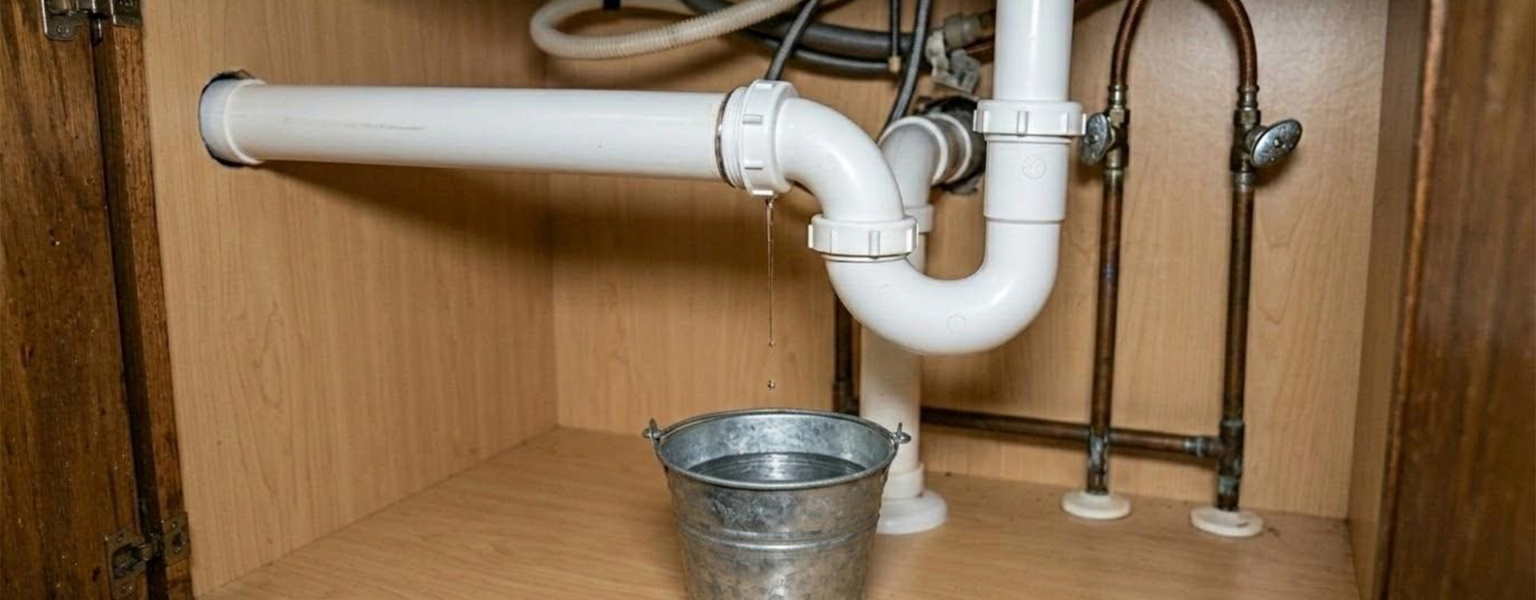
A plumbing issue can usually wait when it is contained, slow-moving, and not threatening the safety of the home. Dripping taps, minor toilet faults, slow drains that still clear, and low pressure in one fixture usually fit maintenance.
These problems do not need panic, but they still need attention. They waste water, reduce comfort, and often point to parts wearing out.
Examples that usually fit maintenance include:
- a tap that drips but is not flooding
- a toilet cistern that refills slowly but still works
- a basin or shower drain that is slow but not backing up
- a noisy pipe with no visible leak
- minor cistern faults or worn washers
- fixture replacements that can be planned ahead
The test is simple. If the issue is annoying but stable, it is maintenance. If it is causing damage, contamination, or loss of service, it needs faster action.
The 1-Minute Decision Test for Homeowners
Use this quick check before deciding whether to call an emergency plumber or book maintenance.
- Is water escaping right now?
If water is running, spraying, pooling, or dripping into a hidden space, treat it as urgent. - Can you isolate it easily?
If a local valve stops the issue, you have bought time. If you cannot stop it, the issue is more serious. - Is there a smell, waste, or contamination risk?
Sewage smells, backflow, and toilet overflow are no longer standard repairs. - Has an essential service failed?
No hot water, no usable toilet, or no water supply can become urgent fast, especially in a busy household. - Is it getting worse by the minute?
If the damage is spreading while you are standing there, it is an emergency.
Emergency vs Maintenance: Common Plumbing Issues Compared
| Plumbing Issue | Emergency or Maintenance? | Why |
| Burst pipe | Emergency | Water loss is fast and damage spreads quickly. |
| Overflowing toilet | Emergency | Wastewater can contaminate floors and nearby rooms. |
| Sewer smell from drains | Emergency | Can point to a sanitary or venting issue. |
| No hot water after sudden failure | Emergency | An essential service has stopped. |
| Leaking tap | Maintenance | Usually contained unless it is flooding cabinetry or walls. |
| Slow drain | Maintenance | Often a developing blockage that can be booked in. |
| Low pressure in one fixture | Maintenance | Often localised to a fitting, aerator, or valve. |
| Water stains with active moisture | Emergency | Hidden leaks can damage walls, ceilings, and insulation. |
The deciding factor is not the fixture itself. It is the impact. A blocked toilet that overflows is an emergency. A toilet that flushes poorly but stays contained is usually a booked repair.
On the Gold Coast, this is especially relevant in homes with ageing flexi hoses, holiday homes that sit empty, or wet areas hidden behind cabinetry. A small leak can stay unnoticed until it has already caused damage.
What To Do Before the Plumber Arrives
If the issue is urgent, act quickly to reduce damage and keep the home safer.
- Turn off the water supply
Use the nearest isolation valve if safe. For larger leaks, shut off the main water supply. - Stop using affected fixtures
Do not flush toilets, run taps, or use drains linked to the problem. - Avoid electrical risk
If water is near lights, power points, or appliances, stay clear of the area. - Protect the area
Move items away from the leak and use towels or containers where safe. - Take photos
Photos can help with insurance records and give the plumber useful context. - Avoid chemical drain cleaners
They rarely fix the cause and can make repairs harder.
If the issue involves sewage, backflow, or contaminated water, keep people and pets away from the area.
When To Call Richo’s Plumbing
Call Richo’s Plumbing if the issue is actively leaking, flooding, affecting hot water, creating sewage smells, or getting worse quickly. At that point, the emergency vs maintenance decision has already been made.
If the problem is contained and stable, book a repair through our maintenance plumbing service instead. If you are unsure, it is still better to ask than to wait and risk more damage.
For urgent help, contact Richo’s Plumbing and explain what you are seeing. If the problem involves a burst line or major leak, our burst pipes service is the right starting point.
A fast call now can keep a small plumbing issue from becoming a major repair later.